
02Start with the decision
Glenda PL41PLUST in one honest frame
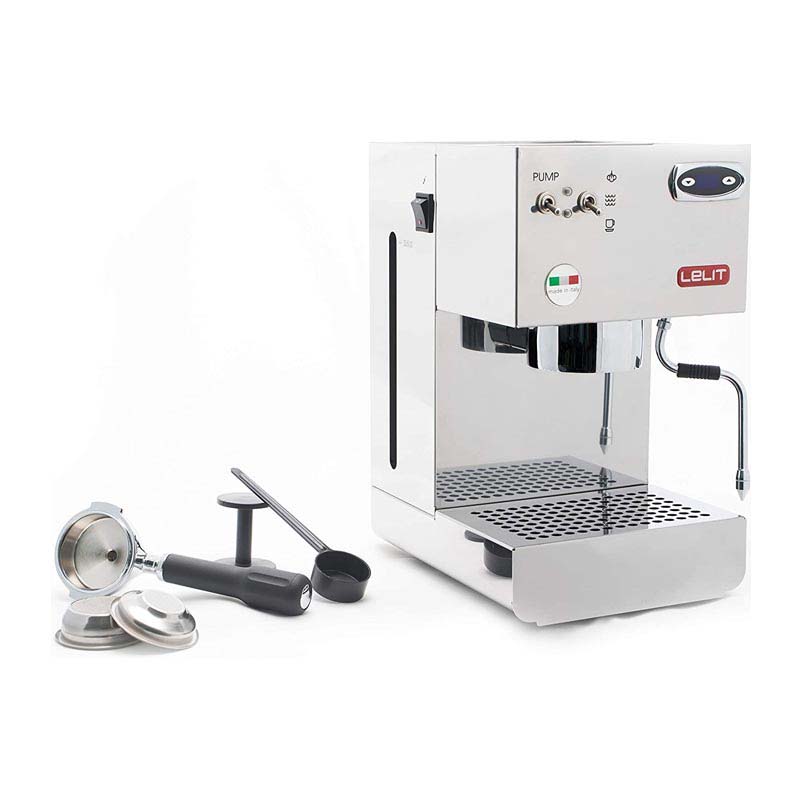
The Lelit Glenda PL41PLUST is a legacy European tank-fed machine built around a PID-controlled 300 ml brass single boiler, 58 mm group, three-way solenoid valve, vibration pump, coffee-pressure manometer, 2.7 L removable tank, passive cup warmer and a multidirectional wand serving steam and hot water. This page covers 230 V, 50 Hz PL41PLUST with PID. The exact manual also names PL41PLUST/110 at 120 V, 60 Hz. PL41PLUS lacks the PID suffix, Anna PL41TEM uses LELIT57, and later Victoria PL91T adds a different control system. Voltage, plug, power, package and support must match the actual rating plate. That identity matters because two machines can promise the same drink while asking for completely different work before and after it. The useful first question is not whether Glenda PL41PLUST can make coffee. It is whether its heating, preparation, milk, water, and cleaning sequence matches the way the household will actually use it. [source] [source] [source]
The strongest reason to choose it: It puts PID control, 58 mm compatibility, a pressure gauge and a three-way valve into a compact traditional single-boiler layout. The main reason to pause: Discontinued-stock status and used-unit uncertainty now matter more than its once-competitive specification list. Those two statements explain the rating more accurately than a long feature list. A high score in one dimension does not erase a compromise elsewhere, and the overall rating should be read with the six category scores rather than alone.
03The first week
Set up the whole station, not only the machine
Confirm PL41PLUST on the rating plate, voltage, frequency, plug, serial details, manual, tank, filterholder, both baskets, blind filter, tamper, scoop and invoice. Inspect the cord, switches, hoses, tank, tray, valve, group seal and signs of corrosion or leaks. Have any electrical fault checked by a qualified technician. Prime the boiler exactly as the manual directs before heating. [source]
Leave top access for the 2.7 L tank and side room for the valve. Prime before heating, warm the locked filterholder and repeat one coffee, dose and yield while changing only grind. Water must suit both taste and boiler care. Stop using the machine if it leaks, smells abnormally hot, sparks or trips protection; an older mains-powered boiler machine needs qualified diagnosis, not repeated resets.
04Rating deep dive
Espresso: control the variables the machine leaves to you
The exact manual sets the TermoPID to 95°C at the factory and permits an 80-130°C boiler setting range. That wide service range is not a recipe guide and boiler display temperature is not beverage temperature. Warm the machine and locked filterholder consistently, weigh dose and yield, time externally and change one variable by taste. The 15-bar pump rating is not pressure at the puck. [source] [source]
Judge repeatability across ordinary mornings, not one lucky cup. Fast, thin coffee usually calls for checking bean age, basket fill, distribution and grinder capability before blaming the pump. Slow, dry coffee usually calls for a coarser step or lower resistance. Record dose, beverage mass, time and PID setting, then change one variable by taste.
Espresso assessment
Espresso evidence translated into daily use
The Glenda PL41PLUST score is an editorial judgment from documented design, independent demonstrations, owner context, and the dated market position. It is not a bench result from Coffeedant.
| Signal | What the evidence says | Buying consequence |
|---|---|---|
| Brew architecture | 300 ml brass boiler with an 80-130°C TermoPID setting range. | PID boiler control, 58 mm tools, a three-way valve and pressure feedback form a capable manual espresso platform. |
| Control available | 58 mm group, manual pump control and coffee-pressure manometer. | The owner still controls grinder, preparation, warm-up, dose, yield and time, and no exact temperature or extraction dataset was found. |
| Recipe consequence | No measured group temperature, puck pressure or extraction repeatability. | Treat this as part of the Glenda PL41PLUST buying decision, not a promise of identical results in every kitchen. |
Evidence note: Unknowns stay unknown. Variations in coffee, water, milk, setup, firmware, regional package, wear, and technique can change the experience described by these sources.
05Rating deep dive
Milk: speed only matters when texture stays controllable
The manual directs the user to select steam, wait for the steam-ready lamp, purge initial water and operate the side valve. It warns that waiting until both lamps go out can make steam less constant. After steaming, open the valve, select hot water and run the pump until water appears, then return to coffee mode. No controlled exact-model steam measurement was found. [source] [source]
Use cold milk and a consistent pitcher fill, purge condensation, introduce air early and establish circulation before the milk becomes too hot. Wipe and purge the wand immediately. The rating reflects direct control for one small pitcher, tempered by the heat-up, heater-cycle timing, cleanup and boiler reset required for every milk round.
Milk assessment
Milk evidence translated into daily use
The Glenda PL41PLUST score is an editorial judgment from documented design, independent demonstrations, owner context, and the dated market position. It is not a bench result from Coffeedant.
| Signal | What the evidence says | Buying consequence |
|---|---|---|
| Steam or milk system | Dedicated steam mode and steam-ready lamp. | The articulated wand gives direct milk control for a single-boiler home routine. |
| Operator input | Manual side valve and multidirectional wand. | Steam timing, purge, immediate cleaning and post-steam boiler refill make several milk drinks slow. |
| Queue consequence | No controlled steam-power or milk-heating measurement. | Treat this as part of the Glenda PL41PLUST buying decision, not a promise of identical results in every kitchen. |
Evidence note: Unknowns stay unknown. Variations in coffee, water, milk, setup, firmware, regional package, wear, and technique can change the experience described by these sources.
06Rating deep dive
Workflow: count every touch from cold start to a clean counter
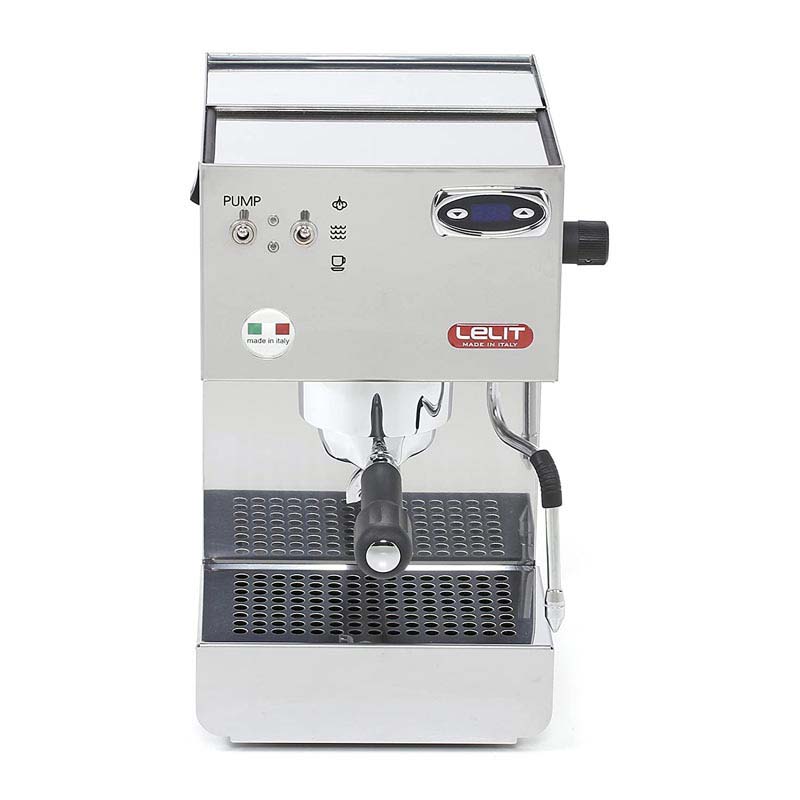
Power, function and pump switches divide the jobs clearly. Espresso starts and stops manually; hot water uses the wand and pump; steam needs a temperature climb. The 2.7 L tank reduces refill frequency, but top access and the side valve need clearance. A complete milk drink includes steaming, wand care, boiler refill and cooling before another shot. [source] [source]
Time the complete household order from cold start to a clean counter. Grinding, weighing, warming, extraction, steam transition, milk, boiler refill and wiping all count. Confirm that the grinder, knock box, scale, tank opening, valve and pitcher fit the planned counter. The machine is most coherent for espresso or one milk drink, not a fast breakfast queue.
Workflow assessment
Workflow evidence translated into daily use
The Glenda PL41PLUST score is an editorial judgment from documented design, independent demonstrations, owner context, and the dated market position. It is not a bench result from Coffeedant.
| Signal | What the evidence says | Buying consequence |
|---|---|---|
| Cold-start routine | 2.7 L tank with side level window. | Simple switches, a large tank and numeric boiler feedback make the process understandable. |
| Drink sequence | Separate function and pump switches. | Manual shot stopping and brew-steam-brew transitions demand attention every session. |
| Cleanup load | Boiler refill and cooling required after steam. | Treat this as part of the Glenda PL41PLUST buying decision, not a promise of identical results in every kitchen. |
Evidence note: Unknowns stay unknown. Variations in coffee, water, milk, setup, firmware, regional package, wear, and technique can change the experience described by these sources.
07Rating deep dive
Build and service: judge access, support, and failure response
The archived exact listings identify a stainless body and drip-tray grate, brass boiler and 9 kg mass. The current 1st-line parts page preserves an exploded diagram and many component codes but explicitly says it does not stock every part or guarantee availability. Neither record establishes remaining service life for a used unit. [source] [source]
The exact manual calls for weekly cleaning, immediate filterholder and wand care, no dishwasher use for filters or filterholder, and backflushing weekly or every 100 coffees with a 58 mm blind filter. It advises suitable water treatment and natural descaler. Follow the supplied regional manual and competent service advice for an older unit. A parts diagram helps identify components, but it is not proof of stock or economical repair. Self-selected posts cannot establish failure rates, build consistency, temperature accuracy or a universal recipe. A fast shot may come from grinder and preparation limits rather than the machine, while an electrical spark or leak requires safe diagnosis rather than online experimentation. Inspect the exact unit, ask for service history and budget for age-related seals, switches, pump or labour. Boiler and mains-voltage work belongs with a qualified technician.
Build assessment
Build evidence translated into daily use
The Glenda PL41PLUST score is an editorial judgment from documented design, independent demonstrations, owner context, and the dated market position. It is not a bench result from Coffeedant.
| Signal | What the evidence says | Buying consequence |
|---|---|---|
| Core construction | Stainless body and grate with 9 kg listed mass. | Stainless bodywork, brass boiler and a documented parts diagram support a traditional repairable layout. |
| Access and care | 300 ml brass boiler and three-way valve. | Age, water history, electrical condition and actual parts stock now outweigh material labels. |
| Support boundary | Parts codes remain visible, but availability is not guaranteed. | Treat this as part of the Glenda PL41PLUST buying decision, not a promise of identical results in every kitchen. |
Evidence note: Unknowns stay unknown. Variations in coffee, water, milk, setup, firmware, regional package, wear, and technique can change the experience described by these sources.
08Rating deep dive
Features: separate daily help from brochure decoration
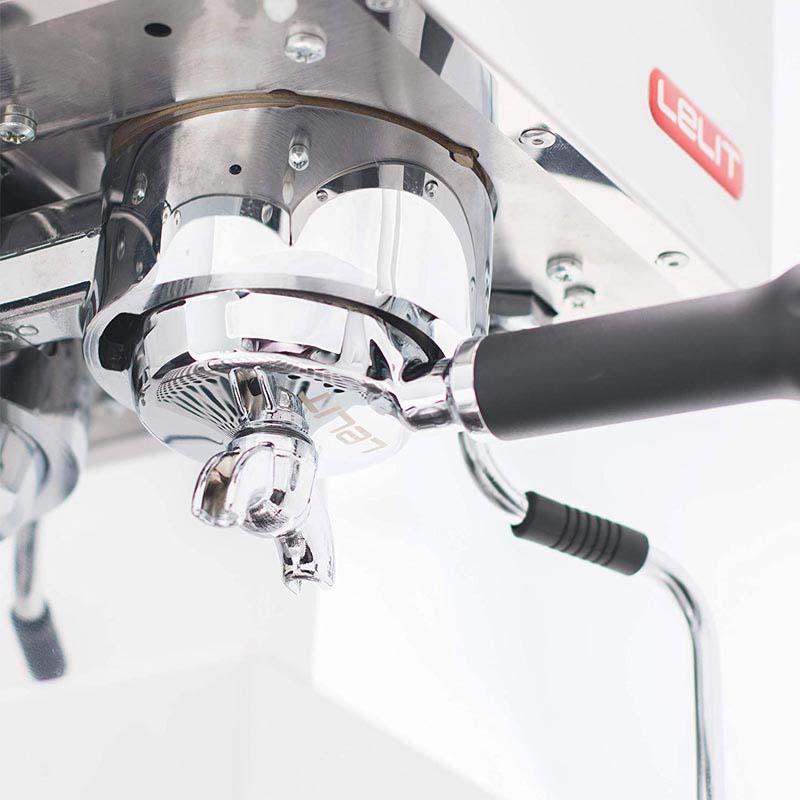
Useful equipment is PID boiler control, 58 mm group, coffee-pressure manometer, three-way valve, 2.7 L tank, side water-level window, cup warmer, manual steam and hot water. No grinder, shot timer, volumetric stop, programmable pre-infusion, plumb-in connection, automatic milk or app is documented. [source]
The PID regulates boiler temperature; it does not measure beverage temperature or correct the grind. The gauge reports coffee-circuit pressure, not pressure inside the puck. Both are useful feedback when read within those limits. The missing timer is easy to replace with a scale, while missing volumetrics and simultaneous steam are architectural limits.
Features assessment
Features evidence translated into daily use
The Glenda PL41PLUST score is an editorial judgment from documented design, independent demonstrations, owner context, and the dated market position. It is not a bench result from Coffeedant.
| Signal | What the evidence says | Buying consequence |
|---|---|---|
| Useful control | PID-adjusted boiler temperature. | PID, a gauge, 58 mm group and three-way valve cover the useful specialist essentials. |
| Missing control | Coffee-pressure manometer and backflush support. | It omits modern timing, programmable flow and guided controls. |
| Buyer relevance | No timer, volumetrics, programmable pre-infusion or app. | Treat this as part of the Glenda PL41PLUST buying decision, not a promise of identical results in every kitchen. |
Evidence note: Unknowns stay unknown. Variations in coffee, water, milk, setup, firmware, regional package, wear, and technique can change the experience described by these sources.
09Rating deep dive
Value: compare complete ownership on the same date
There is no defensible current new-market value because exact stock is unavailable. A used price only makes sense after adding any grinder, missing tools, seals, pump, switch, boiler, labour, shipping and safety inspection. Compare the total with a supported Anna, Victoria, Gaggia, Silvia or Profitec rather than anchoring to an old list price. The checked price context was No verified current new-stock price on September 24, 2026. It is a dated reference, not a promise of today's checkout total, availability, finish surcharge, tax, delivery, bundle, or local warranty. [source]
It puts PID control, 58 mm compatibility, a pressure gauge and a three-way valve into a compact traditional single-boiler layout. That benefit deserves payment only when it is used often. Discontinued-stock status and used-unit uncertainty now matter more than its once-competitive specification list. If the limitation would trigger an early replacement, the apparently lower price is false economy. If the strength removes a daily frustration for years, a higher price can be rational without claiming the product is inexpensive.
Value assessment
Value evidence translated into daily use
The Glenda PL41PLUST score is an editorial judgment from documented design, independent demonstrations, owner context, and the dated market position. It is not a bench result from Coffeedant.
| Signal | What the evidence says | Buying consequence |
|---|---|---|
| Checked price | Coffee Friend says no longer produced and out of stock. | The specification can be attractive used, but no current exact-model new checkout supports a normal value comparison. |
| Total station | Mutbex lists 53,067 TL but marks the item sold out. | Inspection, missing parts, repair exposure and lack of fresh warranty can erase a low purchase price. |
| Long-term fit | A January 2022 owner post mentioned €590, not a current offer. | Treat this as part of the Glenda PL41PLUST buying decision, not a promise of identical results in every kitchen. |
Evidence note: Unknowns stay unknown. Variations in coffee, water, milk, setup, firmware, regional package, wear, and technique can change the experience described by these sources.
10Put the alternatives beside it
Glenda PL41PLUST versus the closest practical choices
A useful comparison keeps architecture and buyer intent visible. A cheaper product may demand more technique, a faster product may expose fewer controls, and a traditional product may ask for more warmup and care. The rows below summarize the decision rather than pretending every specification carries equal weight.
| Machine | Price position | The quick decision |
|---|---|---|
| Lelit Anna PL41TEM | €549 current EU listing Sep 24 | Choose current support and factory PID at a lower price, accepting LELIT57 and a 250 ml boiler. |
| Lelit Victoria PL91T | Higher supported PID class | Spend more for a current 58 mm Lelit with LCC controls and a built-in shot timer. |
| Rancilio Silvia | Traditional single-boiler class | Choose the established supported platform when factory PID is less important than parts and dealer continuity. |
| Lelit Glenda PL41PLUST | No verified current new stock | Consider only a well-documented used unit when 58 mm plus PID outweighs discontinued-model risk. |
DetailsOpen the technical and workflow comparison
| Machine | Dimensions | Heating | Coffee setup | Milk workflow | Best fit |
|---|---|---|---|---|---|
| Lelit Anna PL41TEM | 230 × 380 × 340 mm; 7.5 kg | PID 250 ml brass single boiler | LELIT57 manual; grinder separate | Sequential manual steam | Current compact PID value |
| Lelit Victoria PL91T | Compact stainless chassis | PID 300 ml brass single boiler | 58 mm manual; grinder separate | Sequential manual steam | Current 58 mm Lelit ownership |
| Rancilio Silvia | Deeper, heavier chassis | Brass single boiler; core model has no PID | 58 mm manual; grinder separate | Sequential manual steam | Traditional build and support |
| Lelit Glenda PL41PLUST | Manual and seller records conflict; 9 kg | PID 300 ml brass single boiler | 58 mm manual; grinder separate | Sequential manual steam | Carefully inspected used value |
Compare live stock, exact voltage, support, warranty, group size, boiler, PID, timer, steam sequence, included baskets, service history and complete station cost. A low used price is not equivalent to a supported new-machine price.
11Owner evidence in proportion
What owner discussions add, and what they cannot prove
Owners commonly like the PID and 58 mm format and describe one or two drinks as a reasonable session. Longer-term comments mention learning steam timing, cooling after steam, grinder limitations and used-machine troubleshooting. These reports span regions, machine ages and maintenance histories.
Self-selected posts cannot establish failure rates, build consistency, temperature accuracy or a universal recipe. A fast shot may come from grinder and preparation limits rather than the machine, while an electrical spark or leak requires safe diagnosis rather than online experimentation.
12Choose by routine
Four routes from this decision
There is no universal upgrade path. Choose the card that fixes the most important daily mismatch, then read the full review before treating it as a recommendation for your counter, coffee, region, and budget.
Current compact PID
Lelit Anna PL41TEM
Choose current documentation and retail stock if LELIT57 tools fit your plan.
Read Anna reviewCurrent 58 mm Lelit
Lelit Victoria PL91T
Compare its richer control panel, timer, support and higher purchase price.
Read Victoria reviewTraditional alternative
Rancilio Silvia
Prioritize a long-running 58 mm platform and compare the cost of adding temperature control.
Read Silvia reviewBroad 58 mm ecosystem
Gaggia Classic Evo Pro
Compare current support, modification options and its lack of stock PID.
Read Gaggia review13Questions before buying
Glenda PL41PLUST FAQ
What is the exact Lelit Glenda model in this review?
PL41PLUST, the PID-equipped Glenda with a 58 mm group. PL41PLUS without the T and Anna PL41TEM are different machines.
Is the PL41PLUST discontinued?
Coffee Friend marked the exact model no longer produced, Mutbex marked it sold out, and Lelit’s current European catalog omits it on September 24, 2026. Coffeedant found no current official discontinuation notice, so those dated records define the conclusion.
Does the Glenda use a 58 mm portafilter?
Yes. The exact manual identifies a professional group and specifies the PLA180S blind filter for 58 mm filterholders. Verify the fit of individual used or third-party parts.
Can the Glenda brew and steam at the same time?
No. Its 300 ml brass single boiler changes between coffee and steam temperature, then must be refilled and cooled before another espresso.
What should happen after steaming?
The manual says to open the valve, select hot water and run the pump until water exits the wand, then stop the pump, close the valve, return to coffee mode and clean the wand.
How large is the PL41PLUST?
The exact manual lists 23 × 27 × 34 cm as H × W × D and 9 kg. Archived sellers list about 24 × 26.5 × 36.2 cm. Because those records conflict, measure the actual unit and its access space.
Is a used Glenda a good buy?
It can be when the price reflects age, condition and missing warranty. Confirm safe electrics, leaks, scale history, complete 58 mm parts, pump and valve operation, PID behavior and local service before comparing its total cost with a supported new machine.
See the machine in use
An independent video perspective
Tom’s Coffee Corner
Lelit Glenda PL41PLUST Home Espresso Machine Review & Test
Independent exact-model hands-on review. The video was sponsored by an unrelated VPN and includes affiliate machine links. It informs operation and owner context; current retailer and manufacturer records govern availability and identity.
Watch on YouTubeWhy I trust the verdict
What the evidence lets me say with confidence
I began with the exact model identity and official documentation, then separated factory claims from independent observation and self-selected owner reports. Conflicting regional or revision details were not averaged. Price was checked on September 24, 2026; stock, finishes, tax and warranty can change. Video supplies visual context, not Coffeedant testing. Community material informs questions, never failure rates. Missing measurements and long-term incidence data remain unknown.
Check the evidence
Sources and further reading
- Lelit PL41PLUST revision 03 instruction manual
Manufacturer-branded exact-model manual hosted by Coffee Friend: identity, controls, first fill, PID range, steam reset, care, electrical data, dimensions and 58 mm backflushing.
- Lelit current European catalog
Current product lineup checked September 24, 2026; Glenda PL41PLUST is omitted while Anna, Victoria and other active models are listed.
- Coffee Friend exact PL41PLUST archive
Exact model marked no longer produced and out of stock; 300 ml brass boiler, PID, 58 mm group, 2.7 L tank and archived package context.
- Tom’s Coffee Corner exact-model video
Independent hands-on review and test published March 27, 2023; exact PL41PLUST, sponsored by an unrelated VPN and linked to affiliate machine offers.
- 1st-line PL41 family comparison
Retailer-connected comparison of PL41EM, PL41TEM and PL41PLUST; useful for model boundaries, not independent purchasing advice.
- Mutbex exact PL41PLUST listing
Exact product code 267.PL41PLUST.PID, 230 V archive, 53,067 TL displayed price and sold-out status checked September 24, 2026; seller specification dimensions conflict with the manual.
- 1st-line exact PL41PLUST parts diagram
Manufacturer-supplied exploded diagram and component codes. The host warns that not every listed part is stocked or guaranteed available.
- Reddit exact-model ownership thread
Self-selected owner reports on one-to-two-drink use, steam timing, cooling after steam and several years of ownership; not reliability statistics.
- Reddit Anna versus Glenda discussion
Self-selected buying context on 57 versus 58 mm tools, boiler size, prices and workflow; claims are not manufacturer specifications.
- Reddit Glenda troubleshooting thread
January 2025 used-owner discussion of very fast extraction, grinder limits and milk technique; no controlled diagnosis or machine-wide conclusion.
The buying decision
Strong fundamentals, but the used-unit inspection now decides the recommendation
PL41PLUST remains an appealing specification: PID-controlled 300 ml brass boiler, 58 mm group, pressure gauge, three-way valve, 2.7 L tank and manual steam in a compact stainless machine. The exact manual explains a coherent espresso-first routine, while the independent video and owners show the practical single-boiler pace.
The market has moved on. Exact new stock was unavailable, current Lelit catalogs omit the model, dimensions conflict across archived records, and parts visibility does not guarantee supply. Consider a verified used unit only after a safety and condition check. Choose Anna for a current lower-cost PID path or Victoria for a supported 58 mm Lelit with richer controls.
Read the exact PL41PLUST manual